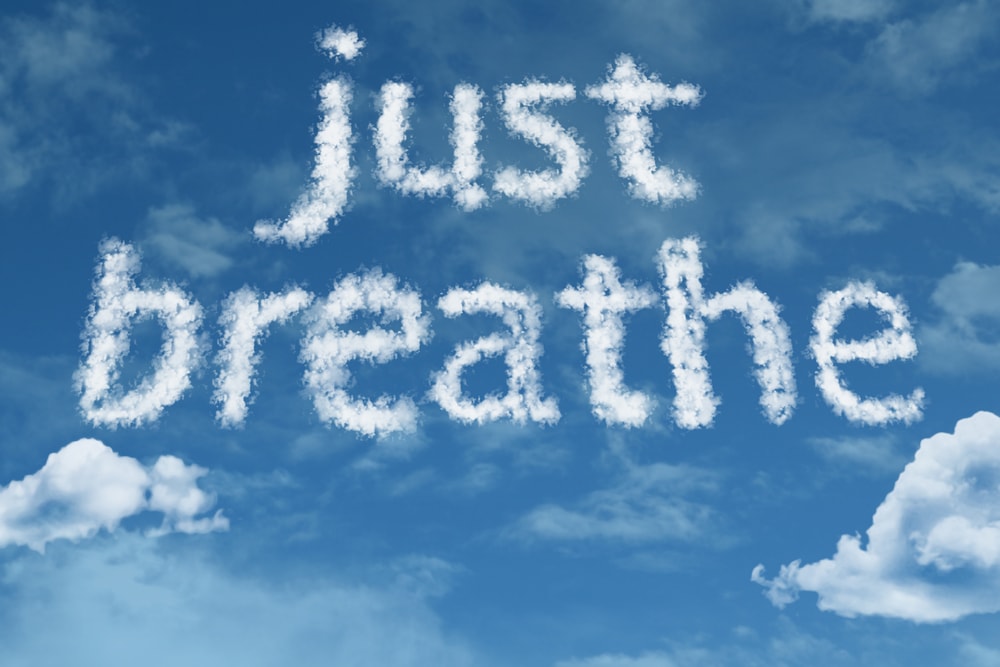
In this blog, we will explore the importance of breathing and elements of it.
People often say that being a sports massage therapist must be very different from my previous role as a midwife. In many ways, that is true. However, there is one important factor that both roles share: managing pain.
Everyone experiences and copes with pain differently. One of the most valuable skills I learned during my years as a midwife, and one I still use today in massage therapy, is the importance of breathing.
In childbirth classes, one of the first things mums-to-be learn is breathing techniques. These techniques help control labour pain and give women a sense of control over their bodies.
By learning to breathe consciously, they can shift their experience of pain into something more manageable. Instead of focusing on pain, they focus on sensation and rhythm.
The importance of breathing in labour is well known. Interestingly, the same techniques are extremely effective during sports massage treatment.
Think about what happens when you lose control of your breathing due to stress or pain. Your breathing becomes faster and more shallow. This often causes anxiety and tension.
When this happens, muscles tighten and become more resistant. For a therapist, this makes treatment much more difficult and sometimes less effective.
Now compare that to slow, deep, rhythmic breathing. Your body begins to calm down, your nervous system relaxes, and your muscles start to release tension.
This is why therapists often remind clients about the importance of breathing during treatment.
Deep breathing is one of the simplest and most effective ways to relax the body. It helps to lower heart rate and blood pressure while reducing overall muscle tension.
There are also several physiological benefits that highlight the importance of breathing during massage therapy:
All of these factors help make your treatment more effective.
During treatment, there may be moments where an area feels uncomfortable. Therapists will always reduce pressure if needed and check what you can tolerate. The goal is never to create pain, but occasionally some discomfort is unavoidable.
This is where breathing techniques become extremely helpful.
A simple method is to breathe deeply through your nose and slowly out through your mouth. This steady rhythm helps the body relax and allows muscles to soften.
Another technique I often use is called counted breathing.
It is exactly as simple as it sounds. Breathe in slowly to a count of four, then breathe out to a count of four to six. This rhythm encourages relaxation and keeps the mind focused.
Some clients also benefit from a small distraction technique. Try gently tapping your thumb to each finger one at a time while counting 1, 2, 3, 4. This engages the brain and helps shift attention away from pain signals.
I have even used this technique myself when receiving treatment. My therapist instantly recognises it as my way of going to my “happy place”.
Using breathing techniques helps your muscles relax. When muscles relax, treatment becomes less painful and far more effective.
For some people, controlled breathing happens naturally. For others, it may take a little encouragement from the therapist.
A recent patient told me she had felt embarrassed about breathing deeply during treatment at another clinic. My response was simple: never feel embarrassed.
Understanding the importance of breathing allows your therapist to work more effectively and safely. Relaxed muscles respond better to treatment and recover faster afterwards.
In the end, your muscles will thank you for it.
Nichola Slaney (Sports Massage Therapist)